
Academy: Meaning, Purpose, Structure, and Importance in Modern Education
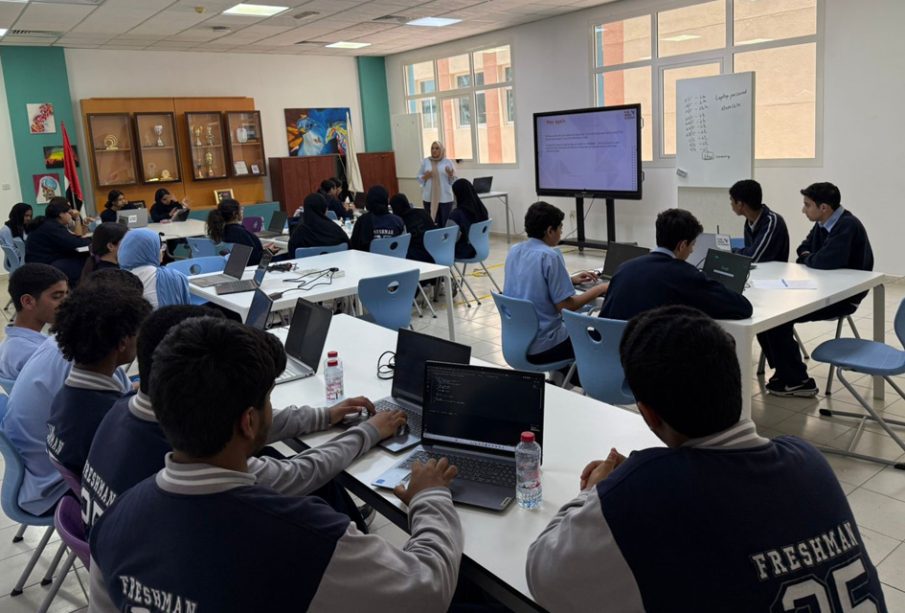
An academy is a structured educational institution designed to provide focused learning in academic, professional, artistic, or technical fields. Unlike general schooling environments, academies often emphasize specialized development, discipline, and performance-based learning that prepares individuals for higher education, careers, or advanced skill mastery.
Academies exist in many forms across the world. Some focus on traditional academic excellence, while others concentrate on sports, arts, science, defense training, or vocational development. Their structured environment supports both intellectual growth and character building.
What Is an Academy
An academy is an organized educational institution that delivers structured instruction in a particular discipline or a combination of subjects. It typically provides more focused and performance-oriented training compared to general education systems.
Academies may function independently or operate within broader school or university systems. Their core objective is to nurture talent through guided learning, expert mentorship, and consistent evaluation.
Common characteristics of academies include:
- Specialized curriculum
- Skilled instructors and mentors
- Structured training programs
- Performance monitoring systems
- Skill-based development opportunities
- Competitive learning environments
Types of Academies
Academies vary depending on their purpose and academic direction. Each type supports learners with different goals and career aspirations.
Academic Academies
Academic academies focus on subjects such as mathematics, science, literature, and social studies. These institutions prepare students for competitive examinations, higher education, and research-oriented careers.
They often emphasize:
- Concept clarity
- Analytical thinking
- Academic discipline
- Examination readiness
Sports Academies
Sports academies train students in physical fitness and athletic performance. These institutions combine education with professional-level sports training.
Training areas commonly include:
- Football
- Cricket
- Athletics
- Swimming
- Martial arts
Students receive coaching from experienced trainers and participate in tournaments that enhance exposure and performance confidence.
Military Academies
Military academies prepare candidates for careers in defense services. They combine academic instruction with leadership training and physical conditioning.
Core training areas include:
- Strategic thinking
- Discipline and leadership
- Physical endurance
- National service values
Arts Academies
Arts academies nurture creativity and artistic expression. These institutions support students interested in music, dance, theatre, painting, and design.
Students benefit from:
- Studio-based learning
- Practical workshops
- Performance opportunities
- Portfolio development
Technical and Vocational Academies
Technical academies provide career-oriented training in fields such as engineering basics, information technology, mechanics, electronics, and industrial skills.
These academies prepare learners for employment-ready roles through practical instruction and hands-on experience.
Structure of an Academy
Academies generally follow a structured educational framework designed to support progressive learning.
Key structural components include:
Curriculum Planning
Academies develop structured learning modules that align with career goals or subject mastery. Lessons are often updated to reflect modern industry or academic standards.
Skilled Faculty
Qualified instructors play a central role in delivering high-quality education. Their guidance helps students strengthen both theoretical understanding and practical skills.
Assessment Systems
Continuous evaluation helps measure student performance and identify areas for improvement. Assessments may include written tests, practical demonstrations, and project-based learning.
Learning Resources
Academies provide access to libraries, laboratories, training equipment, and digital learning platforms that support comprehensive education.
Benefits of Studying in an Academy
Academies offer several advantages compared to general learning environments.
Important benefits include:
- Focused subject specialization
- Structured learning pathways
- Individual performance tracking
- Exposure to professional standards
- Competitive academic environment
- Career-oriented training support
Students often gain confidence through consistent evaluation and guided improvement strategies.
Role of Academies in Career Development
Academies contribute significantly to shaping professional readiness. They help learners transition from theoretical knowledge to practical application.
Career development support includes:
- Skill enhancement programs
- Internship preparation
- Competitive exam coaching
- Leadership development activities
- Industry-relevant training exposure
Such structured preparation improves employability and long-term career stability.
Importance of Academies in Modern Education Systems
Modern education systems increasingly depend on academies to provide specialized learning opportunities. These institutions bridge the gap between classroom education and professional expectations.
Their importance can be understood through several contributions:
- Supporting talent identification
- Encouraging discipline and responsibility
- Enhancing subject mastery
- Promoting innovation and creativity
- Preparing students for global competition
Academies also help educational systems adapt to changing technological and professional landscapes.
How to Choose the Right Academy
Selecting the right academy is essential for achieving learning goals effectively.
Important factors to consider include:
- Accreditation and reputation
- Faculty qualifications
- Infrastructure and facilities
- Curriculum quality
- Placement or career support
- Student success record
Careful evaluation ensures students receive the best possible training aligned with their aspirations.
Future of Academies in Education
The role of academies is expanding rapidly with the integration of digital learning technologies and global collaboration platforms. Many institutions now combine traditional teaching with modern tools such as virtual classrooms and interactive simulations.
Future academies are expected to emphasize:
- Technology-integrated learning
- Personalized education pathways
- Skill-based certification programs
- Industry partnerships
- International academic collaboration
These developments will make academies even more relevant in shaping future-ready learners.
Frequently Asked Questions
What is the difference between a school and an academy
A school generally provides broad education across subjects, while an academy offers specialized training focused on specific disciplines or career paths.
Are academies only meant for advanced students
No. Academies accept learners at different levels depending on their programs and training objectives.
Do academies provide certification after completion
Many academies offer recognized certificates that support higher education admissions or career opportunities.
Can academies help in competitive exam preparation
Yes. Academic academies often provide structured coaching programs designed for national and international competitive examinations.
Are academies suitable for career-focused learning
Yes. Technical, vocational, and professional academies are specifically designed to prepare students for employment-oriented skills.
Do academies provide practical training opportunities
Most academies include workshops, laboratories, internships, or field training to support hands-on learning experiences.
Is it possible to join more than one academy at the same time
Yes. Many students enroll in academic academies alongside sports, arts, or technical academies depending on their interests and schedules.