
Advancing Toward a Career as a Diagnostic Medical Sonographer
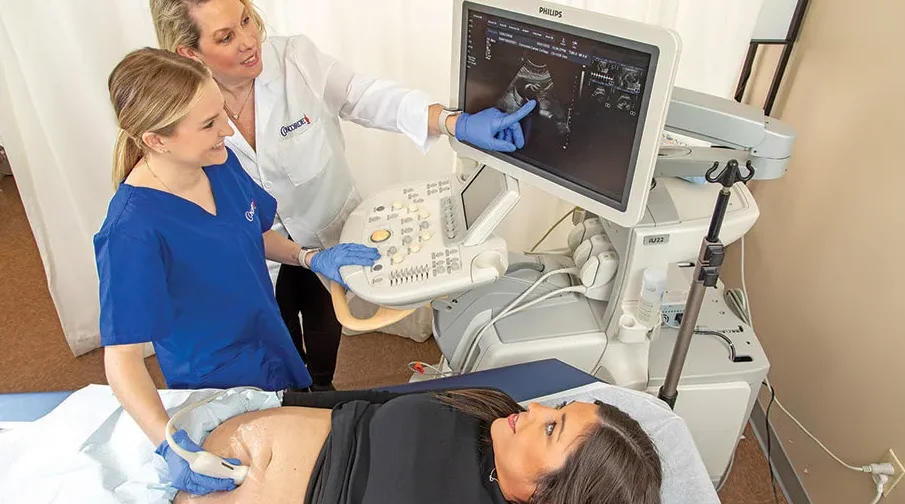
Diagnostic medical sonography is a healthcare profession centered on using ultrasound technology to create images of internal organs, tissues, and blood flow for diagnostic purposes. Sonographers work closely with physicians and other healthcare professionals to assist in the diagnosis of conditions related to the abdomen, heart, blood vessels, pregnancy, and musculoskeletal systems. If you are exploring how to obtain sonographer jobs, it is important to understand the educational pathways, practical training, credentialing processes, and employment expectations that support entry and advancement in this field.
Sonography typically begins with formal education in diagnostic medical sonography or a related allied health discipline. Many aspiring sonographers enroll in accredited certificate programs, associate degree programs, or bachelor’s degree programs offered by colleges and universities. These programs include coursework in anatomy, physiology, medical terminology, cross-sectional anatomy, and ultrasound physics. In addition to classroom instruction, sonography programs integrate clinical rotations that provide hands-on experience under the supervision of licensed sonographers and physicians. Clinical training is essential for developing competency in patient positioning, image acquisition, equipment operation, and safety protocols. If you are evaluating different educational formats and career options in allied health, the Bureau of Labor Statistics offers an overview of diagnostic medical sonography as well as related healthcare roles at https://www.bls.gov/ooh/healthcare/diagnostic-medical-sonographers.htm.
Accreditation of a sonography program is an important consideration when planning your journey. Accredited programs meet standards established by recognized agencies that evaluate curriculum quality, clinical training, and learning outcomes. Graduation from an accredited program not only improves your preparedness for professional practice but also supports eligibility for national certification examinations. Many employers give preference to applicants who have completed programs accredited by agencies recognized by the Commission on Accreditation of Allied Health Education Programs or similar accrediting bodies. Accredited programs often maintain structured partnerships with hospitals, clinics, and imaging centers that facilitate clinical experiences that mirror real work environments.
After completing a sonography education program, many graduates pursue national certification. Certification is not mandatory in all states, but it is highly valued by employers and often improves competitiveness in the job market. The American Registry for Diagnostic Medical Sonography and other national certifying organizations administer exams that assess knowledge and practical skills in areas such as abdominal sonography, obstetrics and gynecology, vascular technology, and echocardiography. Candidates who successfully complete the examinations earn credentials that affirm their competence in specific practice domains. Certification requirements and application details can vary by credentialing body, and information on these processes is available through professional associations that support sonography practice and standards at https://www.sdms.org/.
In addition to certification, many states require licensure or registration for sonographers. State requirements vary, so it is important to check with the licensing board or health department in the state where you plan to work. Some employers may require additional credentials, such as basic life support certification or continuing education units, to maintain professional standing. Keeping current with new imaging technologies, safety guidelines, and clinical best practices is part of ongoing professional development for sonographers. Adherence to industry standards and ethical principles ensures that sonographers deliver high-quality care and maintain patient trust in diagnostic settings.
As you prepare to apply for sonographer positions, it is helpful to gain experience that reinforces your clinical confidence and technical proficiency. Clinical rotations during your education will usually involve ultrasound examinations in hospital imaging departments, outpatient facilities, or specialty clinics. Exposure to different patient populations and imaging contexts helps you build a diverse portfolio of skills. Many students also seek membership in professional organizations that provide networking opportunities, continuing education resources, and career support. Employers often look for candidates who demonstrate initiative in professional engagement and a commitment to lifelong learning.
When assembling application materials, your resume should highlight your educational credentials, clinical rotation experience, certifications, and any specialized training, such as vascular or cardiac sonography. Letters of recommendation from clinical instructors, preceptors, or supervising sonographers can provide insight into your clinical judgment, technical skills, and work ethic. Employers may also request interviews that include scenario based questions about patient interaction, image quality, and adherence to safety protocols. Demonstrating clear communication, attention to detail, and a strong understanding of sonographic technology can distinguish your candidacy.
Compensation for sonographers varies based on geographic location, employer type, clinical specialization, and years of experience. Diagnostic medical sonographers generally receive competitive pay along with benefits such as health insurance, retirement plans, paid time off, and opportunities for continuing education. Those who pursue advanced certifications or specialty training in areas such as pediatric sonography or vascular imaging may have access to broader career opportunities and salary enhancements. For general information on national salary data, job outlook, and employment trends for sonographers and related professions, you can consult resources provided by the U.S. Bureau of Labor Statistics at https://www.bls.gov/ooh/healthcare/diagnostic-medical-sonographers.htm.
As technology evolves and healthcare delivery adapts to changing patient needs, diagnostic medical sonography continues to be an integral component of modern diagnostic care. Sonographers who build strong clinical skills, maintain current certifications, and engage with professional communities are well positioned to pursue a range of roles in hospitals, imaging centers, specialty practices, and outpatient clinics.