
Importance of Moral Education for Young Students
Introduction
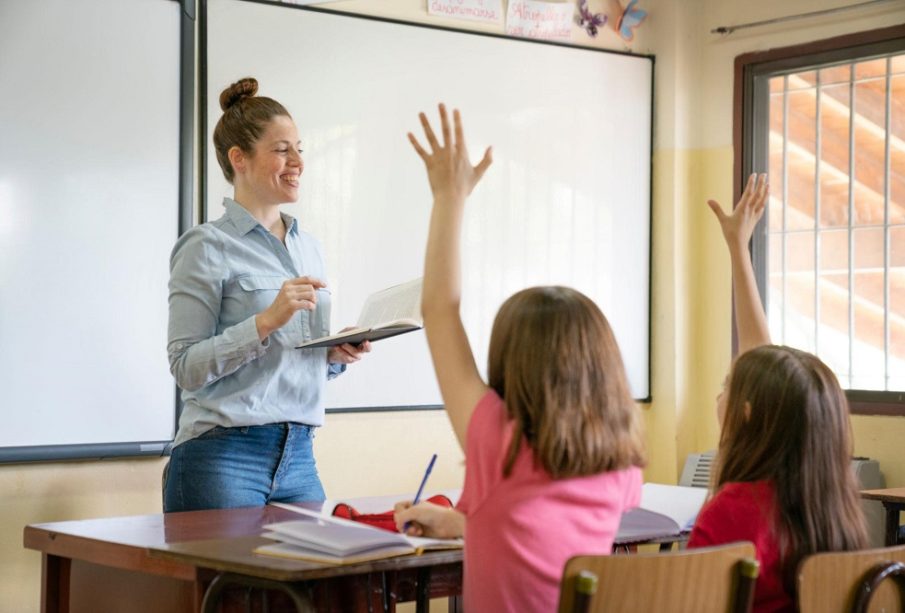
Moral education plays a vital role in shaping the personality, behavior, and decision-making abilities of young students. While academic knowledge builds intellectual capacity, moral values guide children toward becoming responsible, respectful, and compassionate individuals. Early exposure to ethical principles helps students understand the difference between right and wrong and prepares them to face real-life challenges with confidence and integrity.
Schools and families together create the foundation on which children develop habits, attitudes, and social responsibility. When moral learning begins early, it supports lifelong character development and strengthens society as a whole.
What Is Moral Education
Moral education refers to the process of teaching children values, ethics, and principles that guide their behavior in everyday life. It helps students learn how to interact respectfully with others and make thoughtful decisions.
Some core values included in moral education are:
- Honesty
- Respect for others
- Responsibility
- Kindness
- Discipline
- Cooperation
- Empathy
These values help students grow not only as learners but also as responsible members of their communities.
Why Moral Education Is Essential for Young Students
Builds Strong Character
Children develop habits at an early stage of life. Moral education helps them form positive behaviors such as honesty, punctuality, and respect. These qualities become the foundation of their character and influence their future actions.
Students who understand moral responsibility are more likely to make thoughtful choices and avoid harmful behavior.
Encourages Respect and Discipline
Respect for teachers, parents, classmates, and society is a key outcome of moral learning. Students begin to understand the importance of listening, following rules, and maintaining discipline both inside and outside the classroom.
This creates a positive learning environment and promotes cooperation among peers.
Develops Emotional Intelligence
Moral education helps children understand emotions and manage them effectively. It teaches empathy, patience, and kindness, which are essential for building healthy relationships.
Students who develop emotional awareness can better resolve conflicts and communicate respectfully with others.
Promotes Social Harmony
Young learners who practice fairness and cooperation contribute to a peaceful classroom environment. Over time, these habits extend into society, helping create communities based on trust and mutual respect.
Moral education encourages students to value diversity and accept differences among people.
Role of Schools in Providing Moral Education
Schools play a central role in shaping the ethical outlook of students. Teachers influence students not only through lessons but also through their behavior and guidance.
Educational institutions support moral development by:
- Including value-based lessons in the curriculum
- Encouraging teamwork and cooperation
- Promoting honesty during examinations and assignments
- Organizing community service activities
- Creating a respectful classroom environment
When schools integrate moral learning into daily activities, students naturally adopt positive behaviors.
Role of Parents in Moral Development
Parents are the first teachers in a child’s life. Their actions strongly influence how children behave and respond to situations.
Parents can support moral education by:
- Setting positive examples at home
- Encouraging truthful communication
- Teaching responsibility through daily tasks
- Promoting respect toward elders and peers
- Discussing ethical situations with children
Consistent guidance at home strengthens the values learned at school.
Moral Education Helps in Academic Growth
Students with strong moral values often perform better academically. Discipline, honesty, and responsibility improve concentration and motivation.
For example:
- Responsible students complete homework on time
- Honest students avoid unfair practices
- Cooperative students participate actively in group activities
These behaviors contribute to better learning outcomes and long-term success.
Preparing Students for Future Challenges
Moral education prepares children to face difficult situations with confidence and fairness. As they grow older, students encounter complex decisions involving friendships, career choices, and social responsibilities.
A strong moral foundation helps them:
- Make ethical decisions
- Resist negative influences
- Build trust with others
- Develop leadership qualities
Such preparation supports both personal growth and professional success.
Encouraging Responsible Citizenship
Young students who learn moral values understand their role in society. They become aware of their responsibilities toward their community and environment.
Responsible citizenship includes:
- Following rules and laws
- Helping people in need
- Protecting public property
- Participating in community activities
These habits contribute to the development of a stable and respectful society.
Conclusion
Moral education is essential for shaping responsible, disciplined, and compassionate individuals. It supports emotional development, strengthens character, improves academic performance, and prepares students for real-world challenges. When families and schools work together to nurture ethical values, young students grow into confident individuals who contribute positively to society.
Frequently Asked Questions
Why should moral education start at an early age
Early childhood is the most important stage for habit formation. Introducing values at this stage helps children develop responsible behavior naturally and consistently.
How does moral education influence student behavior in school
It encourages discipline, cooperation, honesty, and respect, which create a positive classroom environment and improve relationships with teachers and classmates.
Can moral education improve leadership skills in students
Yes. Students who understand responsibility, fairness, and empathy are more likely to develop confidence and leadership qualities.
What teaching methods are effective for moral education
Storytelling, group discussions, role-playing activities, and real-life examples help students understand values more clearly and apply them in daily life.
How can teachers integrate moral education into regular subjects
Teachers can include ethical discussions in lessons, encourage teamwork, promote respectful communication, and highlight positive examples during classroom activities.
Does moral education reduce negative behavior among students
Yes. Students who understand ethical responsibilities are less likely to engage in dishonest or harmful activities.
How does moral education support long-term personal development
It helps students develop self-discipline, emotional awareness, and decision-making skills that remain valuable throughout their lives.